
We live our daily lives on this planet, going about our business working, going to the gym, going out to eat at a restaurant, traveling on vacation, etc. There is so much to do and so much to see that we may never really get the chance to explore and experience it all. All of that is just life on Earth. Imagine the cosmos! Turns out we don’t have to thanks to astronomers and tools like the Hubble Space Telescope. We now can see images of places we would never have been able to even fathom. Our overwhelmingly large world is nothing compared to the sheer magnitude of endless space, where our sun is just but one out of 400+ billion stars in just our galaxy alone, and there are trillions of galaxies in the universe. “Modern telescopes like NASA’s Hubble Space Telescope, provide evidence of billions of galaxies, each containing billions of stars like our sun. Some new telescopes allow us to study objects in the universe by detecting the heat or radio waves or X-rays they emit. Telescopes are now discovering planets around other stars. Future telescopes will be useful to answer a fundamental human question: “Are we alone in the universe?” So far, only large and hot planets have been discovered, but it is likely that Earth-like planets will be discovered in the next few years”. (Brian Dunbar) Just thinking about the math, the concepts, the scale of it all is incredibly overwhelming, but images from space are interesting in that the present us with something completely foreign. From different planets to different stars, and galaxies, everything beyond our limited understanding, and our daily life throws off our ideas of familiarity. “We media consumers increasingly search for context and relevancy in the splintered world of visual media, where many of us may not entirely feel at home. Actual storytelling, the ability to narrate events and the skill to find the right structure, is therefore crucial to getting through to people. And anyone who can tell a story becomes a role model. It’s as simple as that”. (Bo Bergström)

For some, the unknown brings fear “For people with space phobia, the very concept of space creates feelings of anxiety and distress. As with other phobias, this fear is irrational. (Neel V. Patel) and for others a seemingly impossible task such as thriving in space is a challenge they are more than willing to take on while for others, space brings feelings of Awe and awakening to seeing the world and the universe as it truly is, and not how we think it might be. “The overview effect, as the experience is called, refers to a profound reaction to viewing the earth from outside its atmosphere. A number of astronauts have attributed deep feelings of awe and even self-transcendence to this experience”. (David B Yaden) This brings up how emotion is at play when looking at something completely alien such as space. Understanding visual storytelling when it comes to scientific imagery such as space travel, can help us to come up with better ways to present visual data such as Hubble and telescope-based imagery, but also to understand how we connect and perceive these images and ways to enhance these feelings of awe while also reducing fear of the unknown. “Scientific storytelling using visualization is not easy, and the successful examples highlighted in this article are the exception rather than the rule. Much work remains to be done in establishing guidelines and principles for successful storytelling. As visualization designers, we must ask ourselves how we can better support the efforts of the scientific community in reaching out to the general public. Scientists have amazing stories to tell, and we can help ensure that they are not – to paraphrase Mark Twain – forced to tell them themselves”. (Kwan-Liu Ma) These feelings are important to note, the emotion that one gets from simply admiring the environment they inhabit or are currently on. It’s no different for space travelers and enthusiasts and may have the added bonus of helping humans understand the pointlessness of war and national borders, etc. “To understand the overview effect, Yaden and colleagues analyzed quotations from astronauts from countries around the world who gave vivid descriptions of viewing Earth from space. Consistent themes emerged from the quotes, based on concepts such as ‘unity’ and ‘connectedness’”. (Christopher Bergland) We know very little about how space impacts us visually compared to things we see daily and understand, but the more we learn about space and our place in the universe the more we begin to realize how much more connected we are as humans than we have previously thought centuries past. In fact, even attempting space travel as a species has taken international cooperation from counties such as the US, and Russia; two countries that have been at odds in the past and continue to have a tense relationship at times. It’s ironic that in order to progress we must unify, but that is why impactful, and emotional moments such as the overview effect should be experienced by as many people as possible, and as visual designers and photographers we must find ways to bring as much of that experience to the global audience as can.


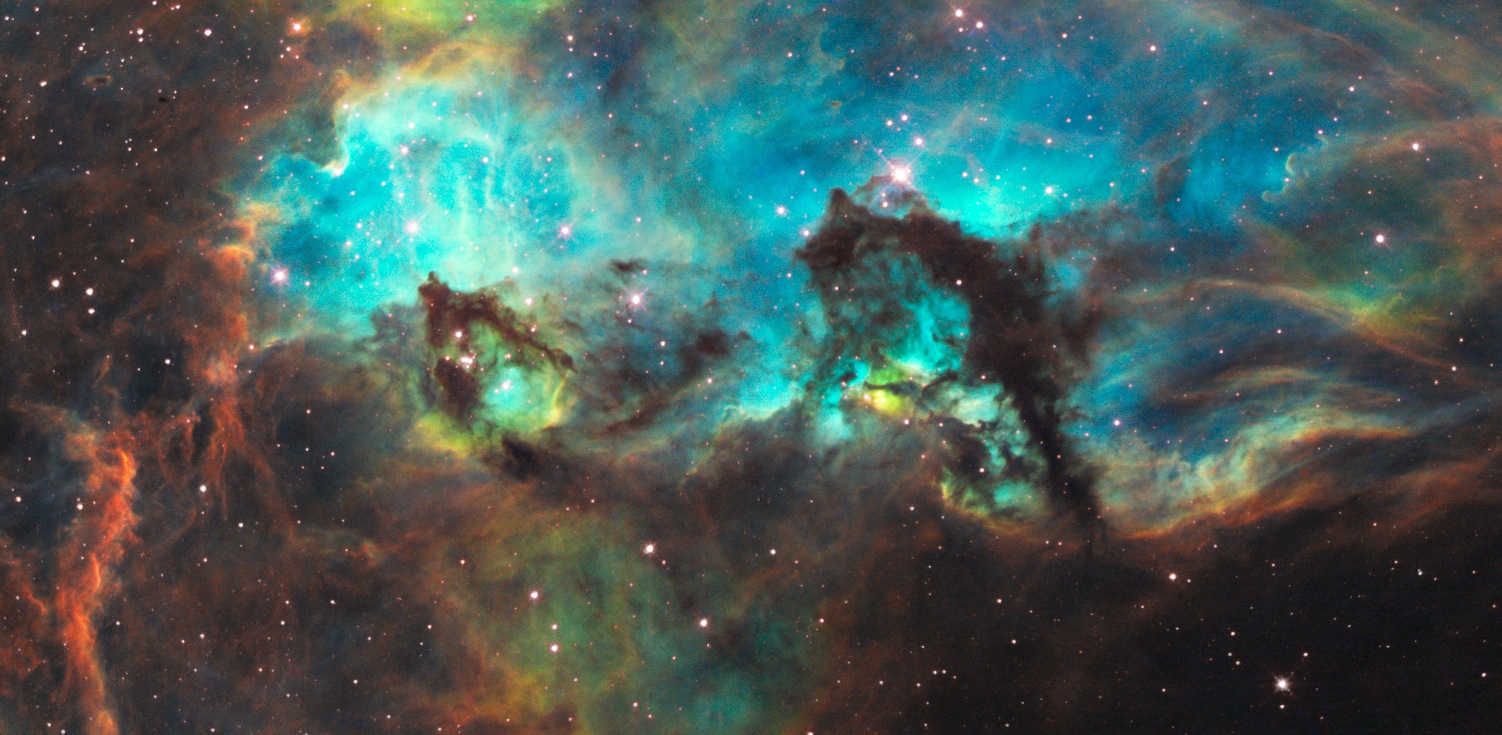
Images from space can be very abstract when it comes to how our brains perceive it, but if we use visual guidelines such as the gestalt principle, we can see that many if not most images from deep space that include star fields, galaxies, nebulas, etc. adhere to certain principles that our minds grasp on to creating subliminal familiarity and uniformity. “The main idea was that when we perceive the world there are many different signals coming in at the same time. To organize them, and avoid going crazy, we visualize our surroundings as unitary forms or groups”. (Laura Busche) There is similarity when it comes to planets, stars and galaxies. While there are variations of these things, they all follow the same principles that span across the universe. There is proximity of objects that create a whole such as stars that when looked at from afar, create an entire galaxy which is the whole of that group of stars. “Our minds want to perceive that smaller interactions are related to each other and work together to complete a larger task. If we’re not able to perceive this, the disconnect leaves room for confusion. People need to see that everything is somehow integrated into the larger goal at hand”. (Carolann Bonner) Now imagine images with no context such as nebula, or galaxies and trying to put smaller parts such as stars together to form a larger construct but you don’t realize that it’s a cropped image of a larger whole which tends to happen a lot in deep space photography, you would be confused at what you are looking at besides just stars. There needs to be context as to what the viewer is seeing and a certain level of understanding for the whole picture to make sense.
Something else to note that is painfully obvious to everyone especially the scientific community: most people do not understand space, our place in our solar system let alone our galaxy, what a galaxy is, what a nebula is, or other astronomical objects usually photographed by the Hubble telescope. Most of these this requires explanation as well as imagery for people to fully grasp what these things are. “A major theoretical issue on which psychologists are divided is the extent to which perception relies directly on the information present in the environment. Some argue that perceptual processes are not direct but depend on the perceiver’s expectations and previous knowledge as well as the information available in the stimulus itself”. (Dr. Saul McLeod) That, however, doesn’t mean that there is no interest in space, but that proper methods of delivering this information and these amazing visuals are required for the audience to effectively understand what they are seeing. The good news is that visual media is the preferred method for people to consume information and entertainment. “We, as busy creatures, want information that is relevant, quick, and easy to digest. And since our brains can process visual information much quicker than textual, it makes sense that images and visual media have become our preferred format of information input”. (Pola Zen) Besides, who wouldn’t want to see all the beautiful colors produced by stars and nebulas? It’s one thing to read about it, or hear about it but to see it, that is something truly special.
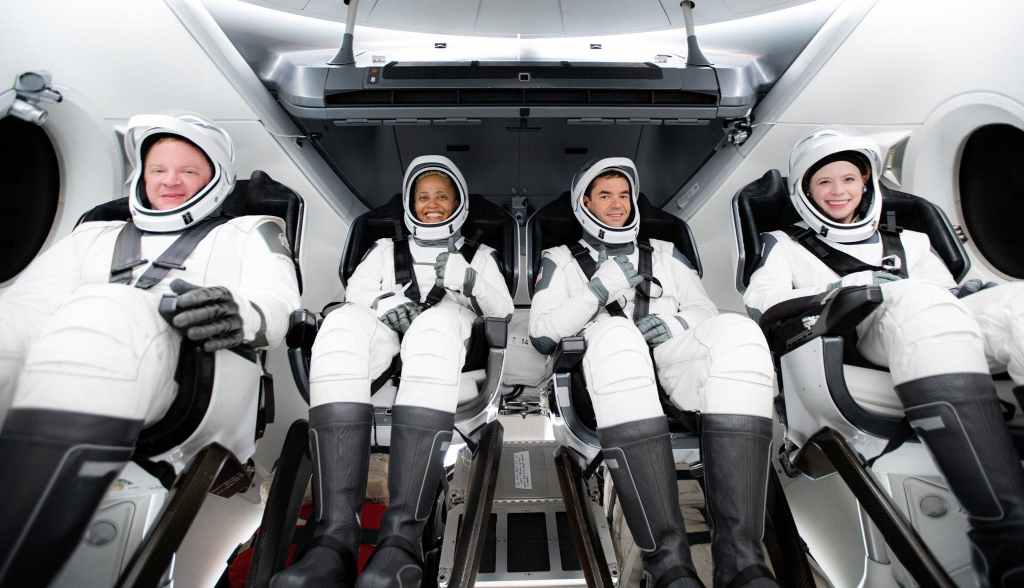
If there was ever a proper use for the term hero, it would go to Doctors, Firefighters, First responders, and people who put their lives on the line for the greater body of knowledge of humanity and our quest to learn more about space: Astronauts. For a long time, astronauts had a very specific archetype: Brave daredevil pilots and military test pilots who saw space as the next great adventure, but with modern space travel becoming more accessible to the public and private sectors this century, that archetype is now expanding and people from all walks of life are now set to become astronauts. This image tells a different visual story from previous images of astronauts before: this shows new archetypes entering the realm of space travel, allowing it to become more relatable to everyday people from all walks of life. “The characters we place in our stories will be perceived in various ways by different audiences. But remember, stories that leave an impression feature a memorable character readers or viewers can identify with. The goal is to keep your story and organization top of mind”. (Jade Lien) There will need to be imagery where the archetype is of an explorer, scientist, tourist, etc. depending on the audience it is being made for. Space tourism is just in its infancy and as the private space industry continues to grow, so will the diversity within the ranks of those who fly to space. When mining operations start in space and that industry takes off both figuratively and literally, images to persuade people to joining that work force would be needed with archetypes that fit that role. Just because the main focus is space doesn’t mean that imagery cannot be human centered when called for. After all it is humans that are setting out to explore the universe.
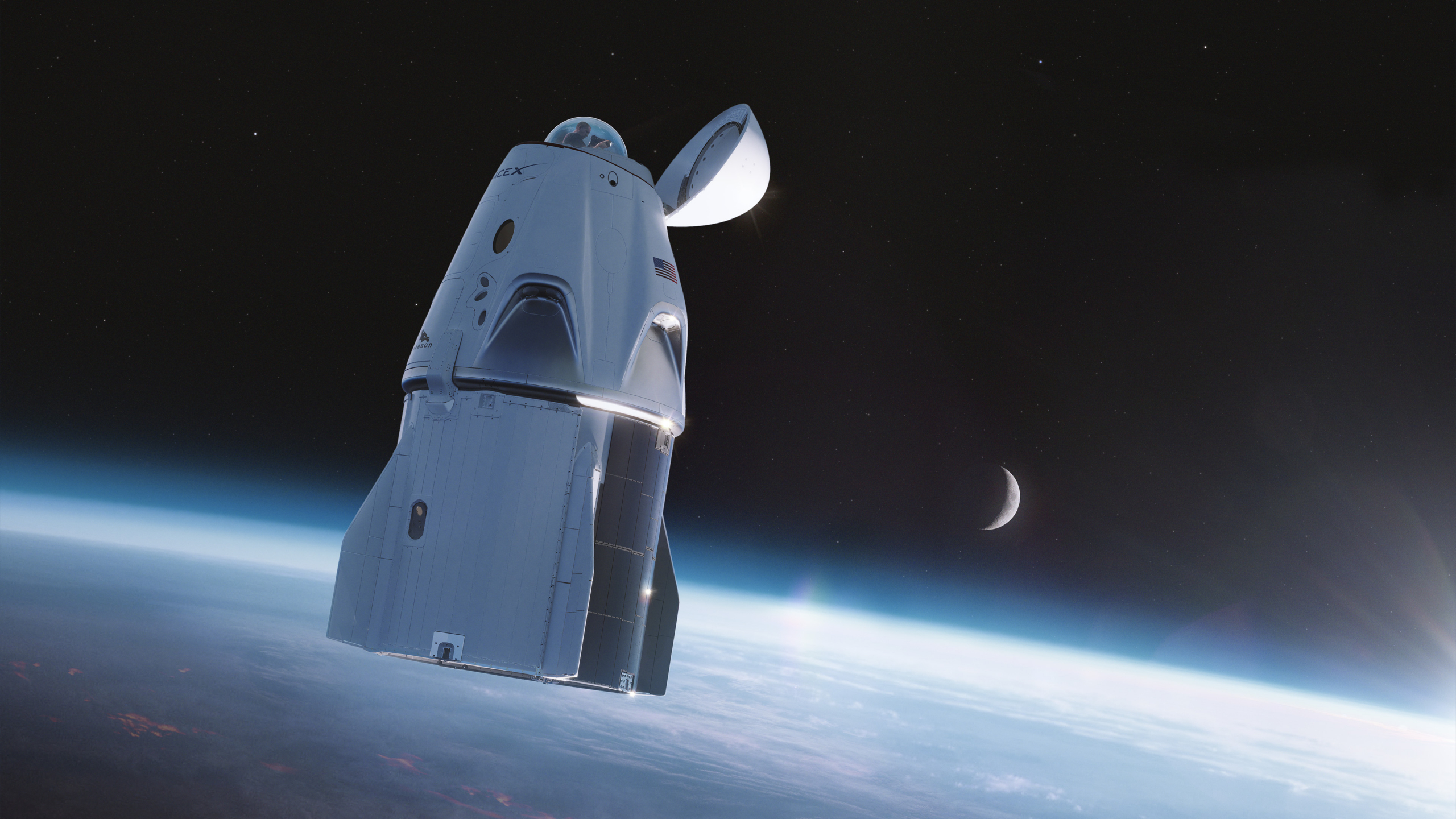

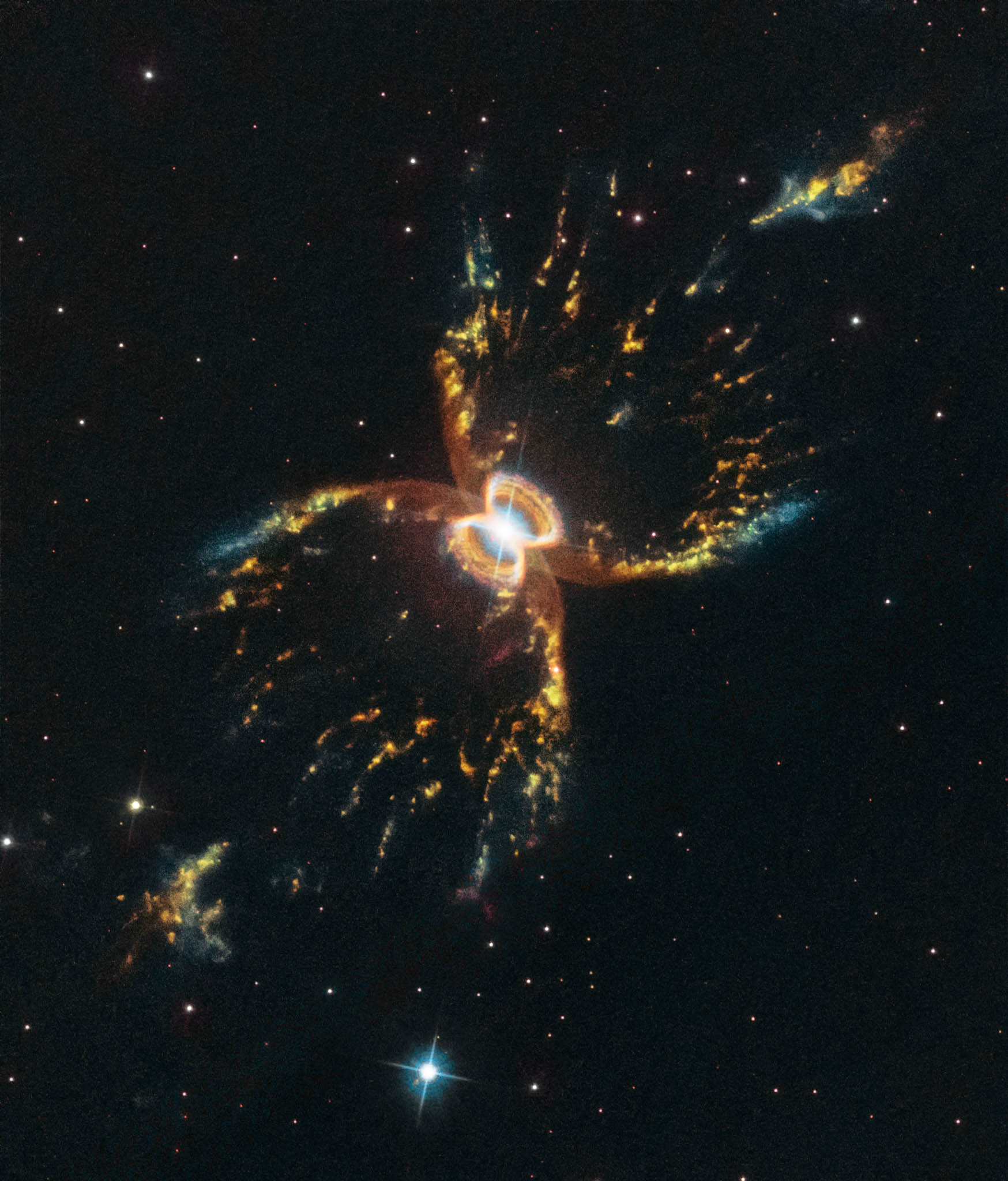
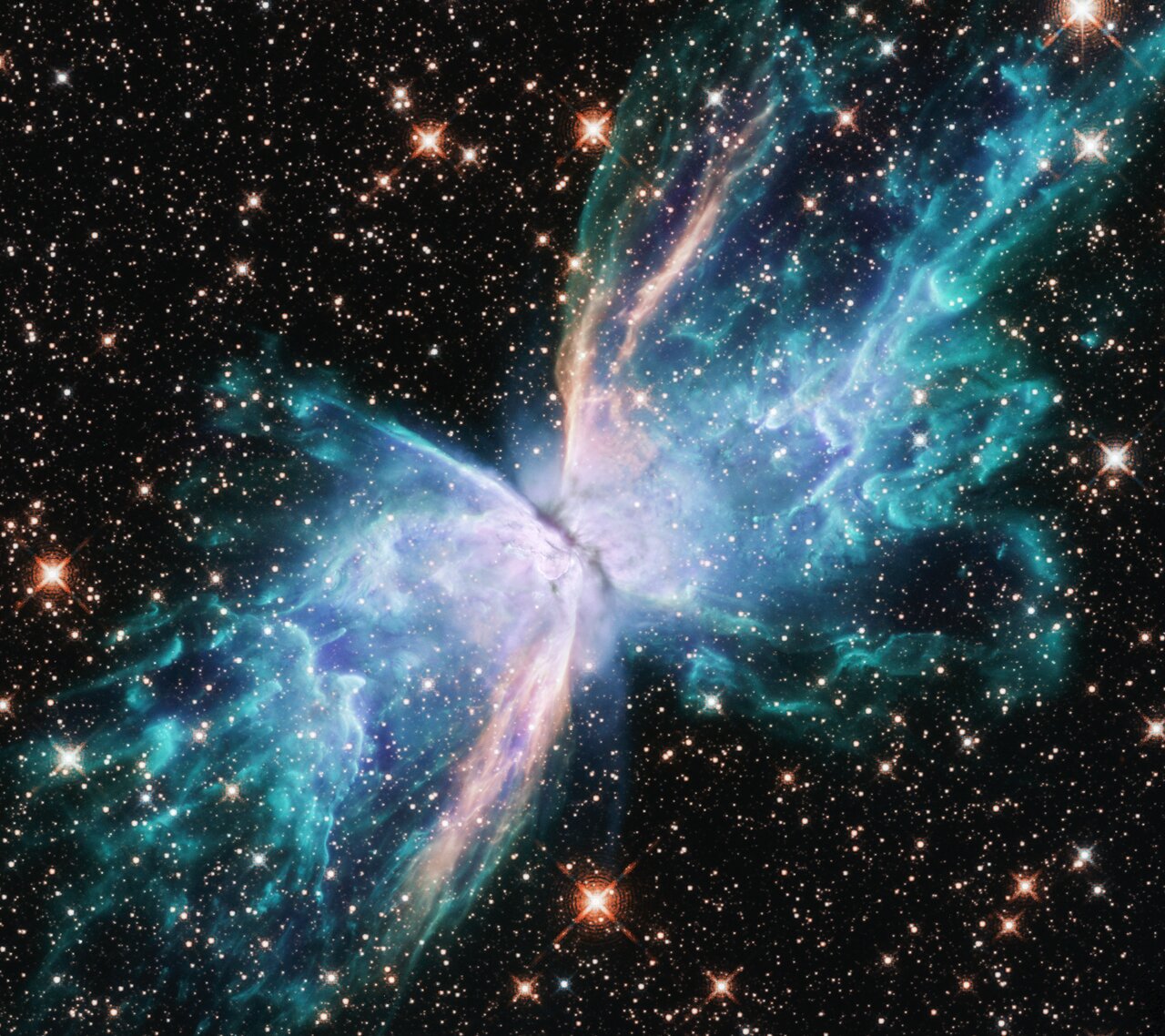
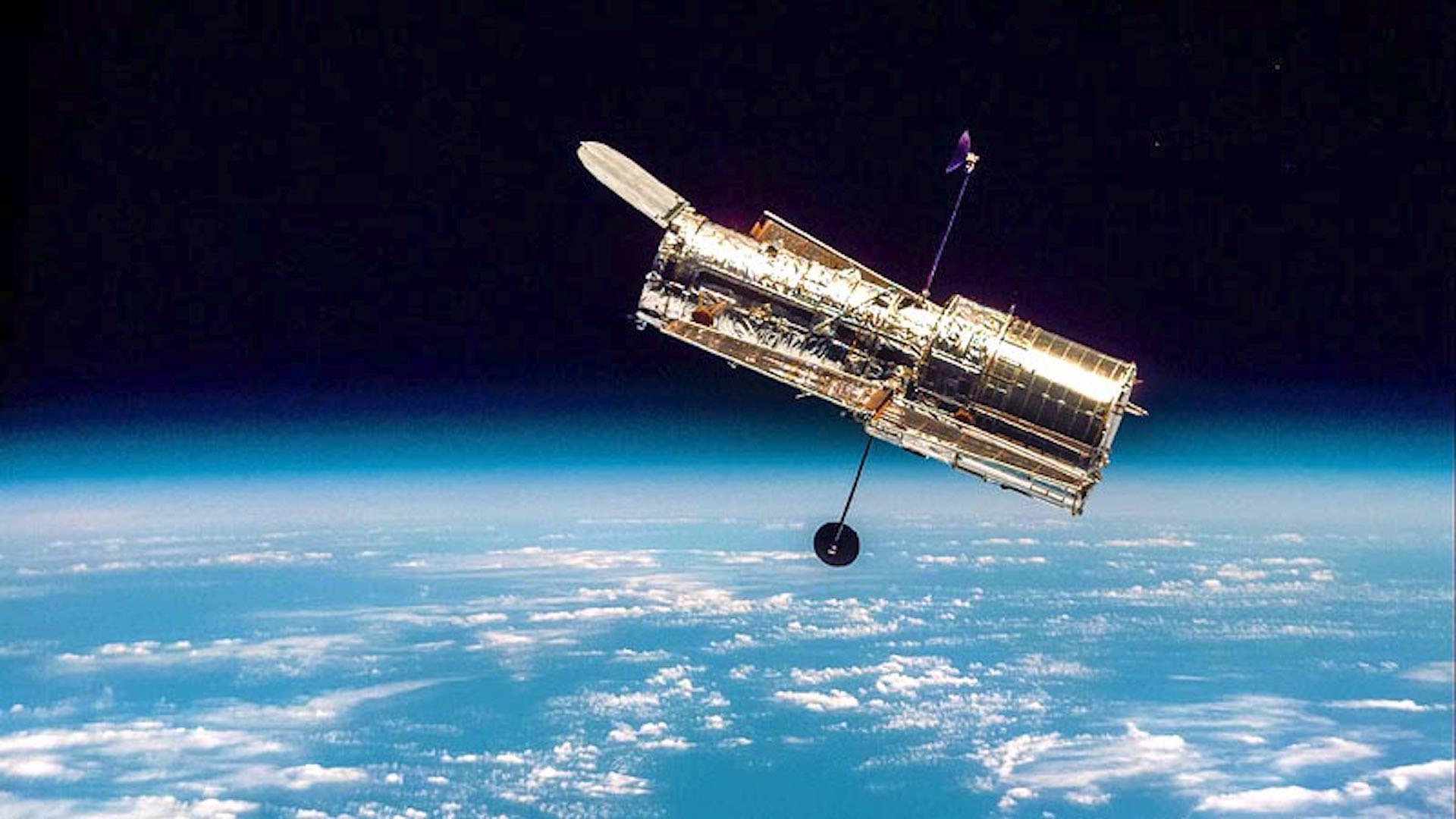
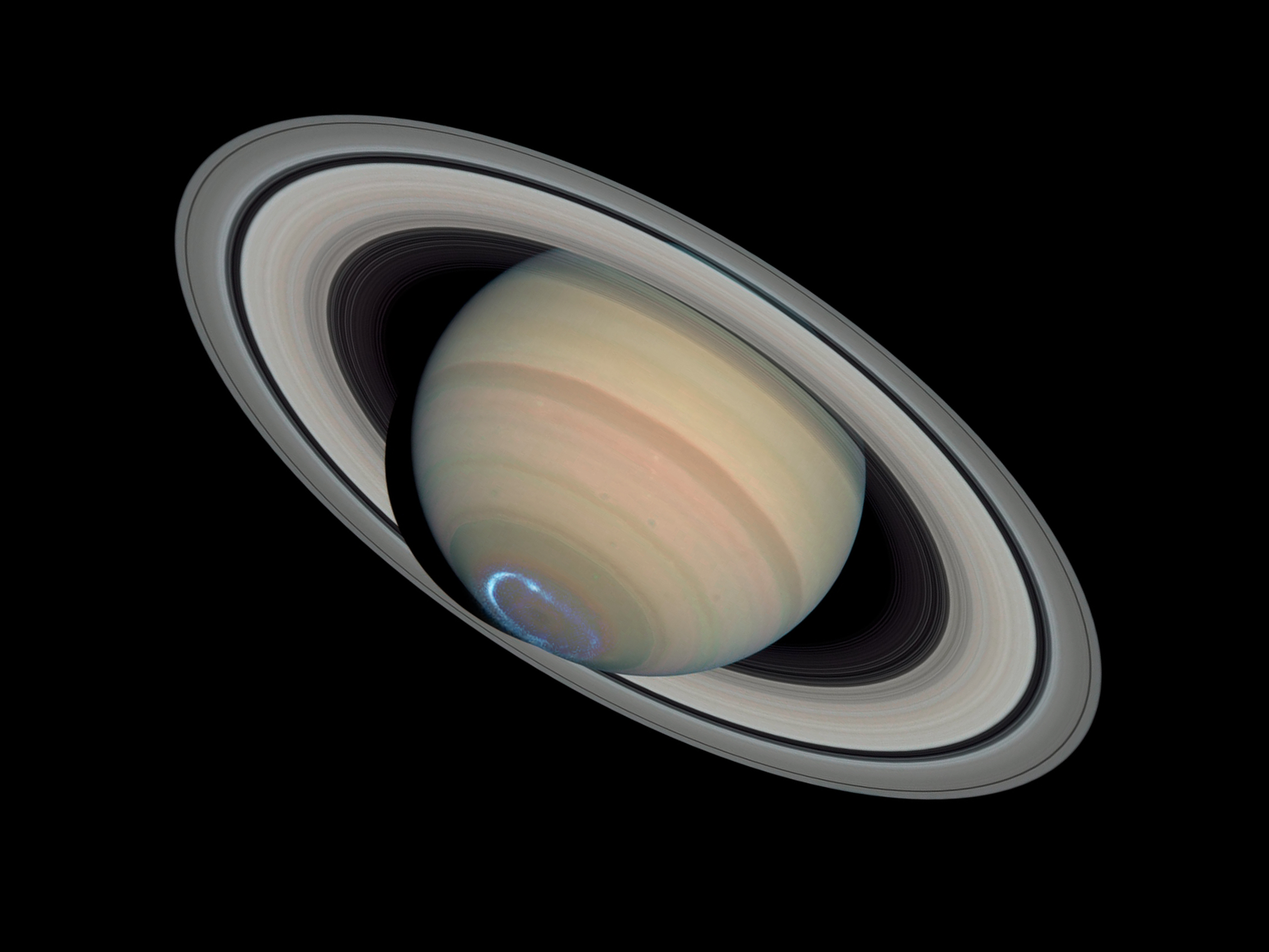
“We have identified two major obstacles in the construction of visual communications for science. The first stems from the traditional approach of science communicators, whereby visual material is treated as an optional add-on ingredient instead of being an integrated part of the whole. The second is the lack of identification of the target audiences and the refinement of the visual elements for them”. (Fabiola Cristina Rodríguez-Estrada, and Spencer Davis Lloyd) Scientific imagery such as images of space and Earth from space have a great deal to tell us visually and finding the correct ways as designers and photographers to help scientists, astronomers, and astronauts create captivating images that adhere to principles of visual storytelling. This will help spread the information that scientists want humanity to see and experience visually as well as engage the worldwide audience with pictures of the universe they inhabit. It’s as important as knowing your street in my opinion, or that the world IS round, etc. Defining target audiences depending on the information that needs to be shared is important as well and not clearly defined in scientific imagery or promotional material. The target audience should be crucial in deciding how to create imagery with visual story telling aspects that lend to support whatever the main message is as well as relate directly to the target audience for relatability. When these things are combined, visual story telling for scientific imagery and data should be easier for the audience to consume and understand without all the confusion that comes from not understanding what it is that you are looking at, or having partial knowledge when through proper story telling techniques, audience members can become engaged and invested in space.
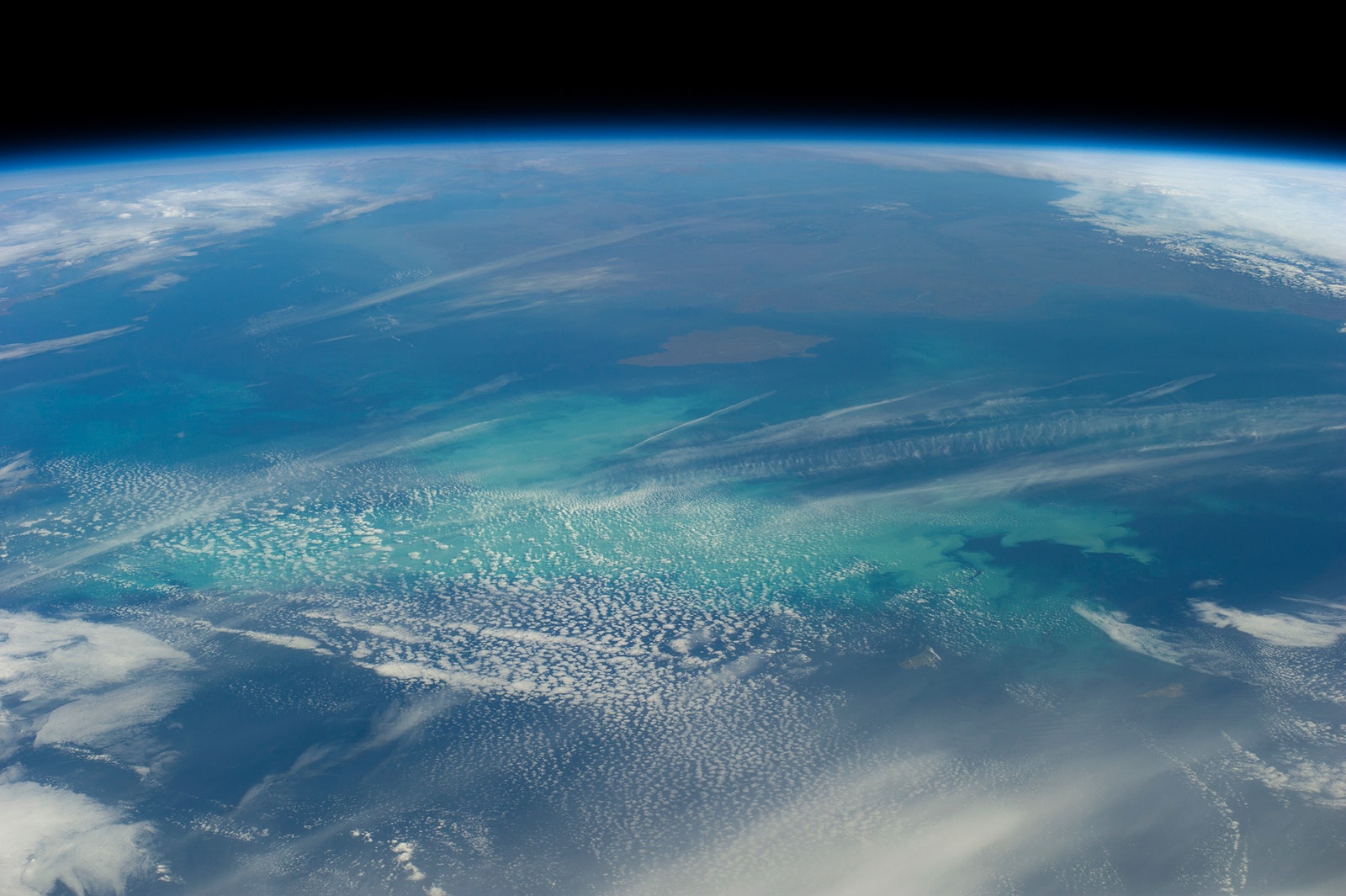
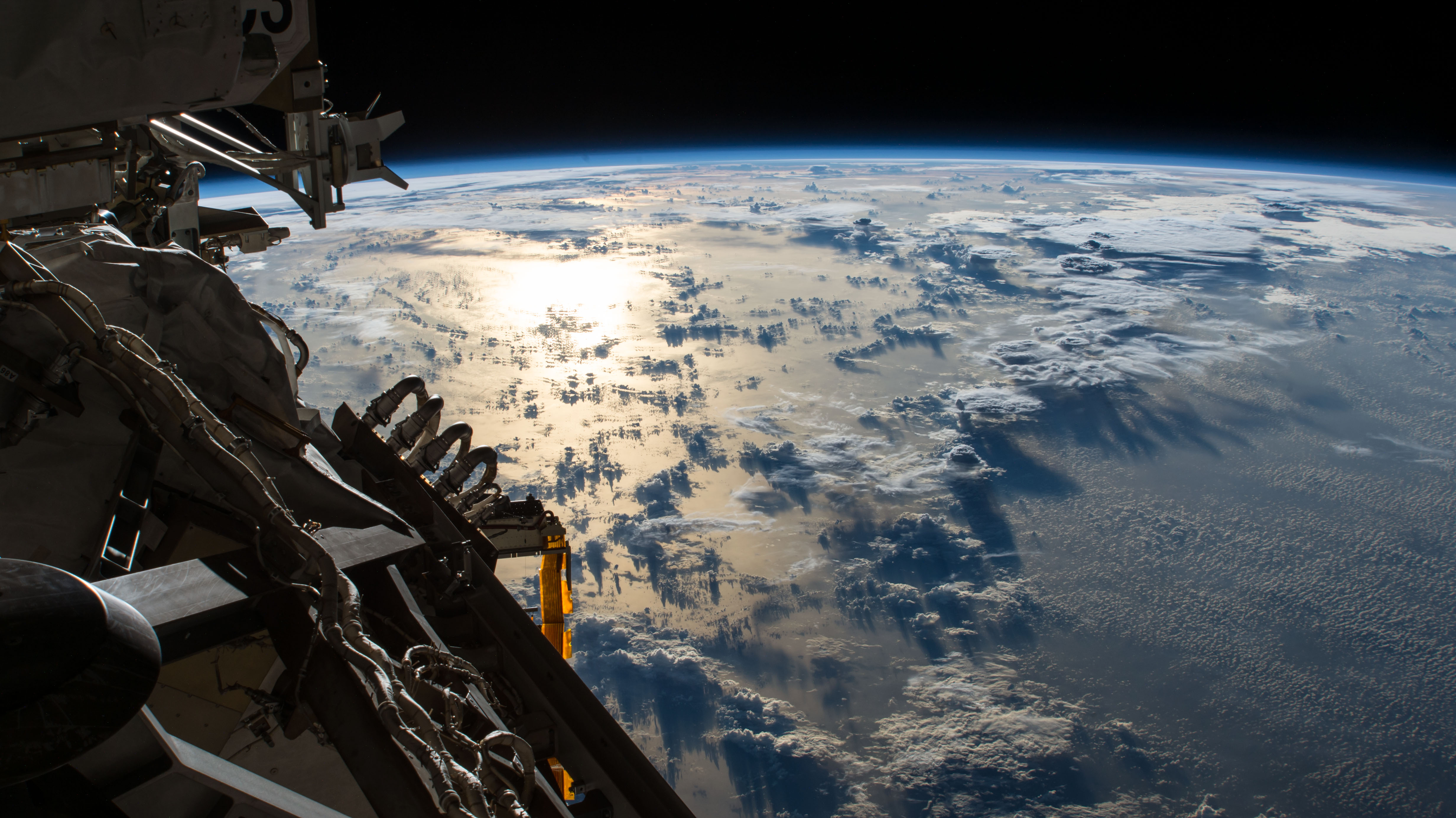
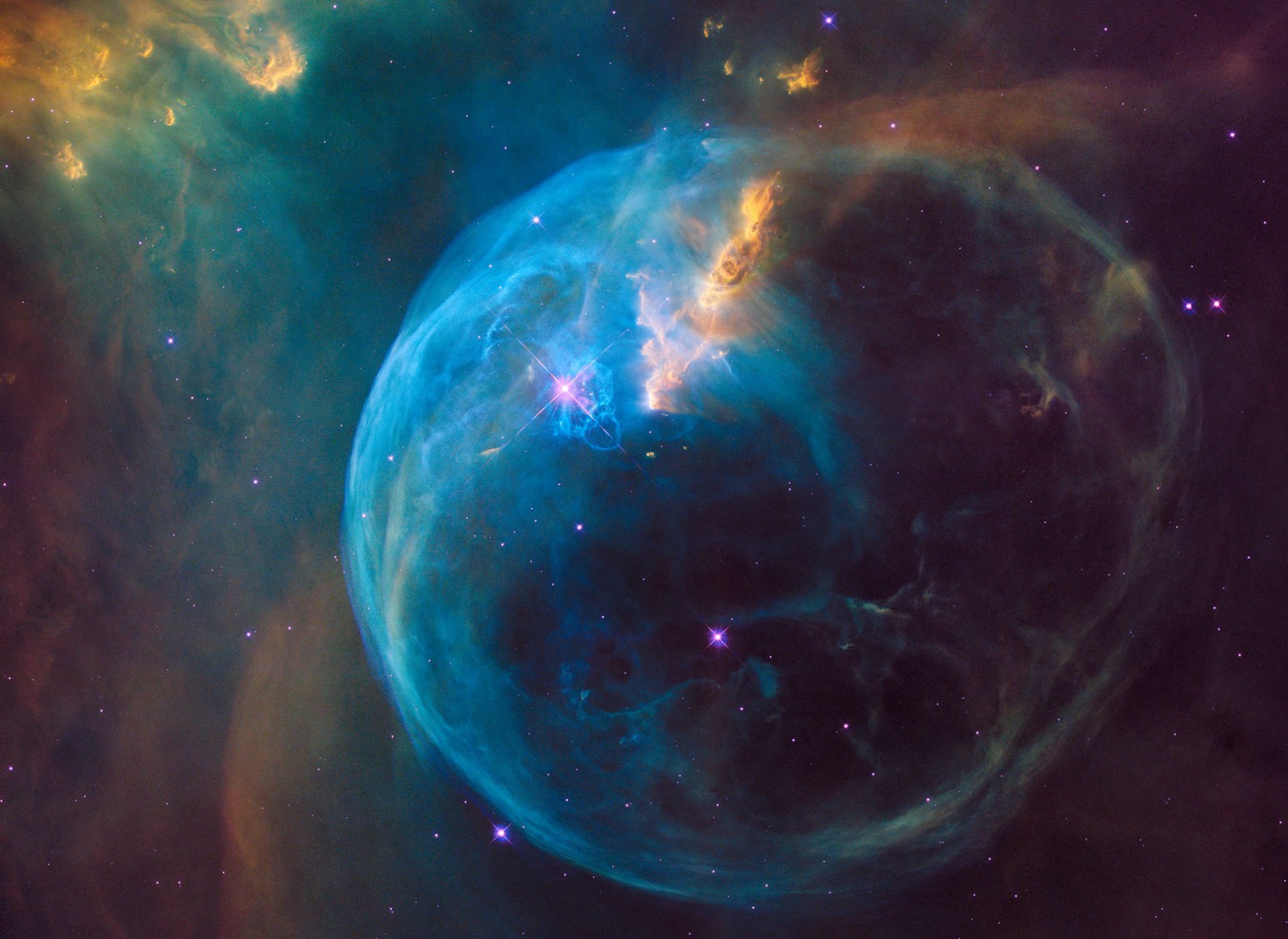
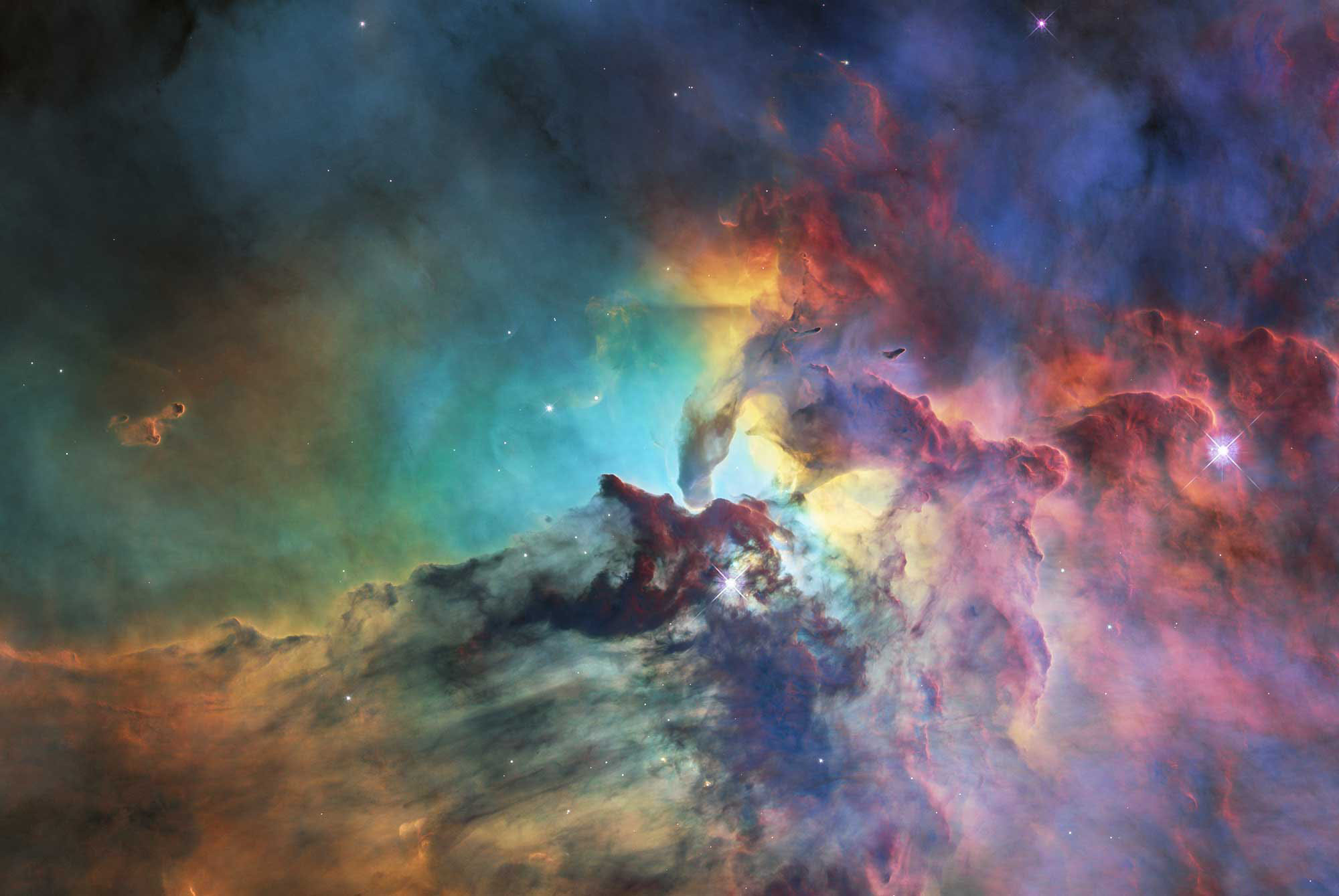
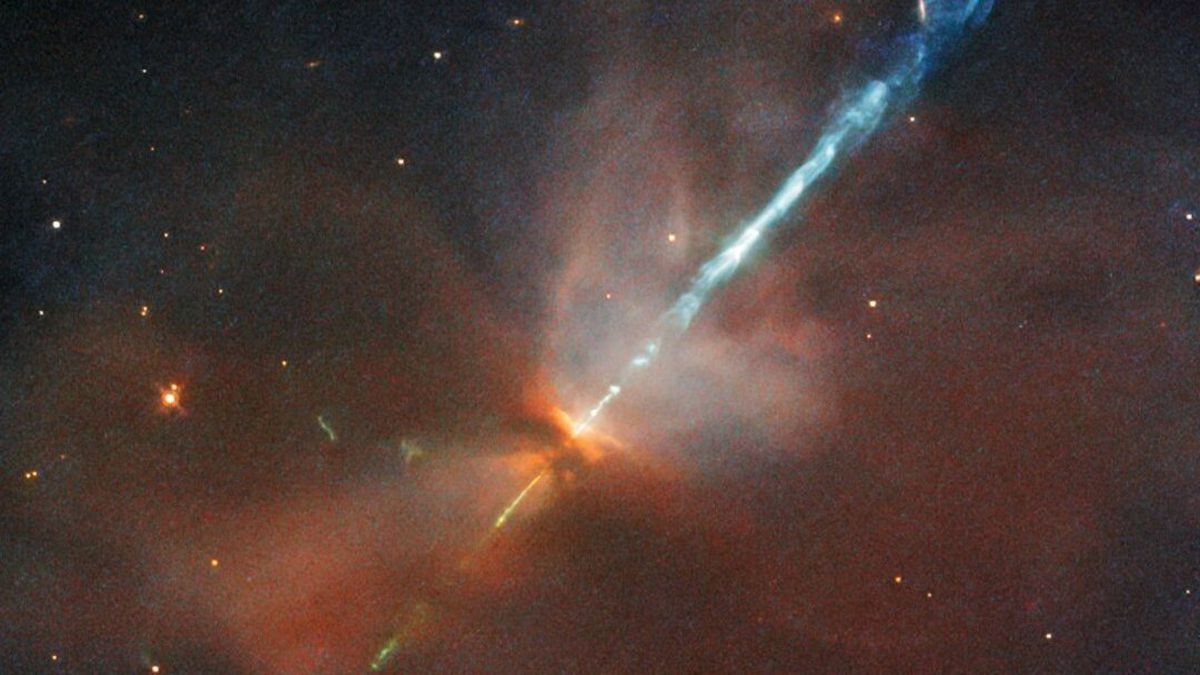
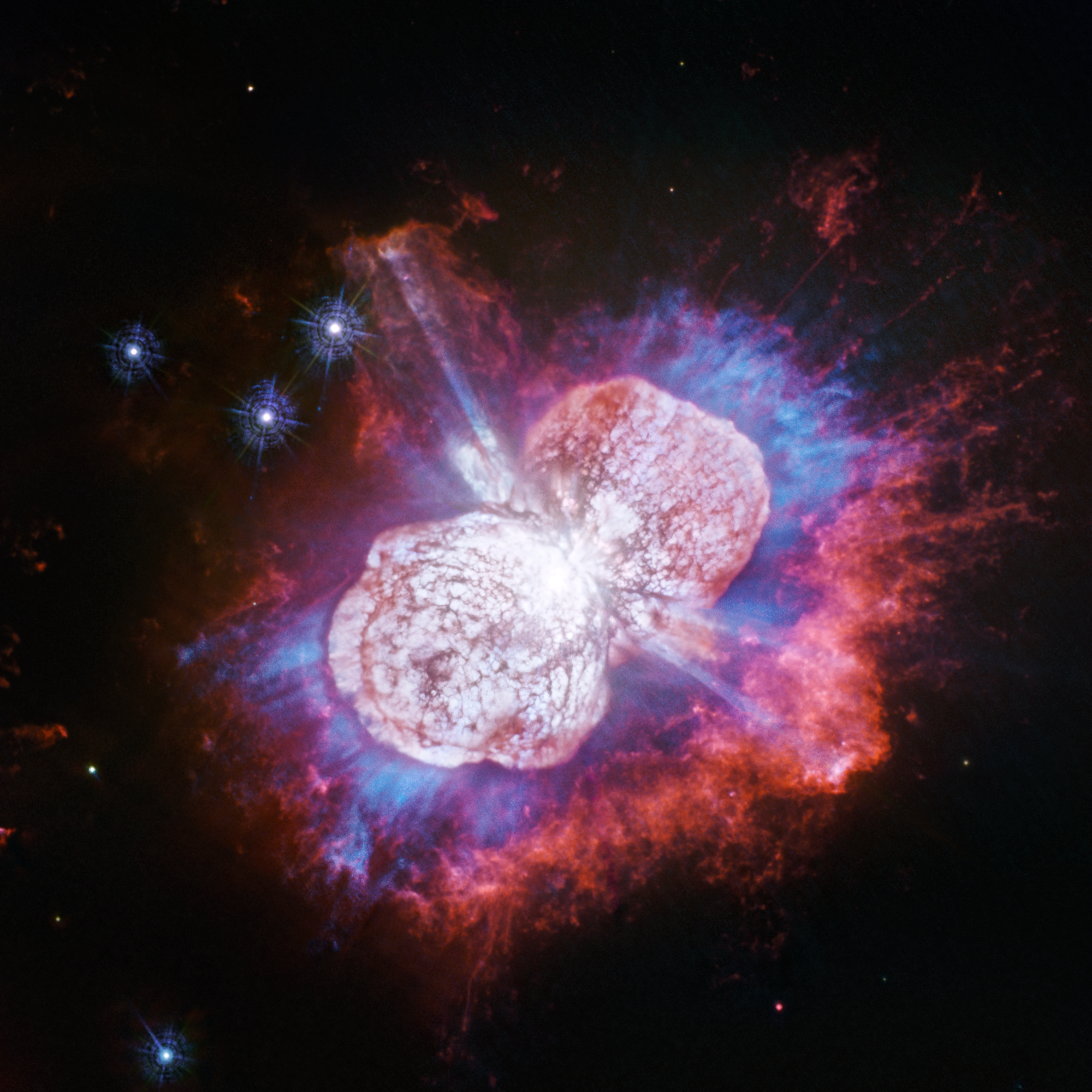
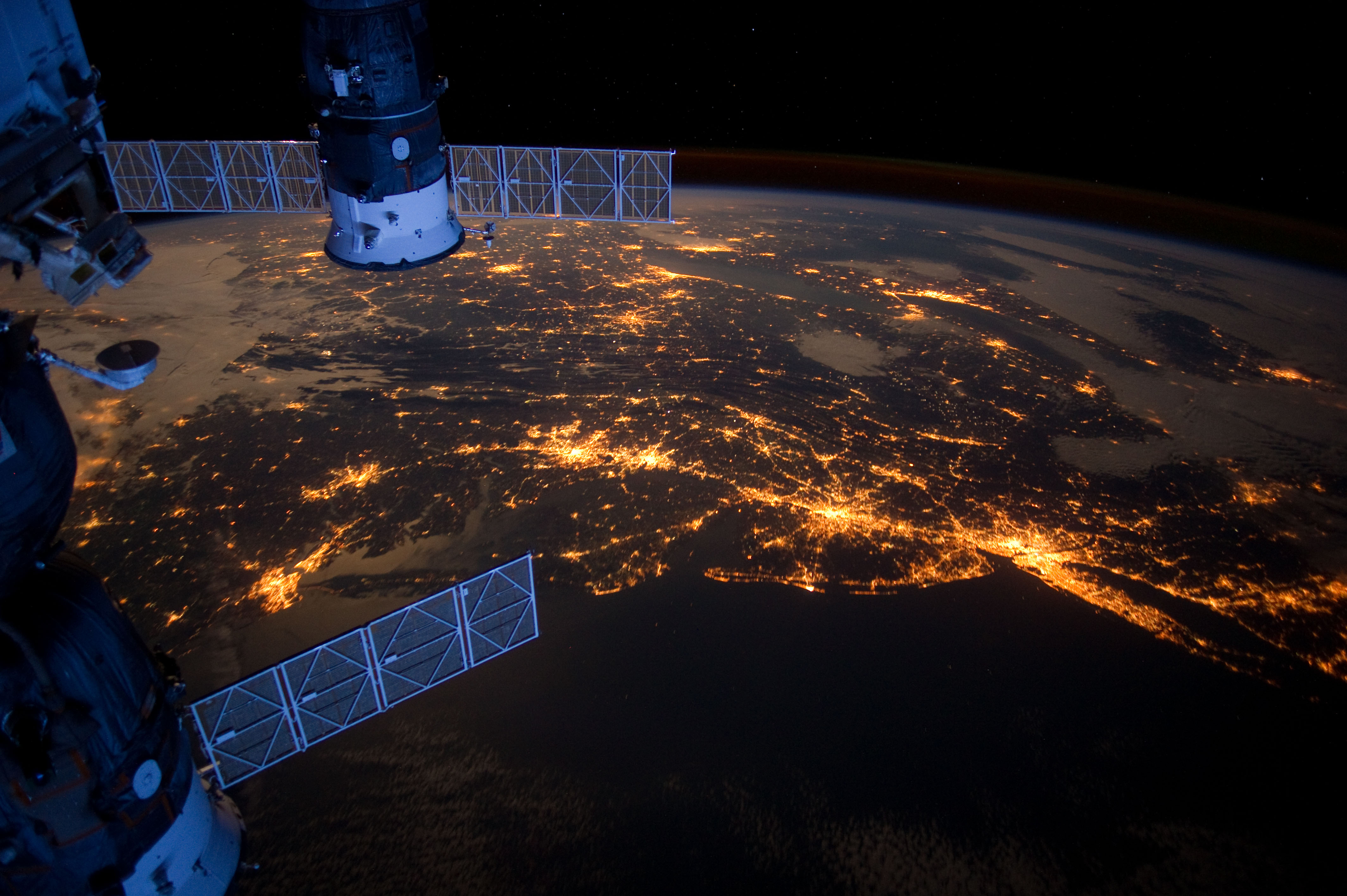
These images are proof of our true reality, and we live in a time where humans are just now beginning to see and understand their place in the universe thanks to the advance tools and technologies created to be able to produce this imagery. “There are many different visuals that can enhance the effectiveness of a science communication effort. Photographs, carefully selected, cropped, and enhanced, if necessary, can illustrate key attributes or processes. Photos can often be annotated to aid comprehension. Conceptual diagrams can be considered ‘thought drawings’ that highlight key features and processes. They are particularly relevant when photographs cannot fully capture the breadth and scope of a concept”. (Bill Dennison) So as creatives, it’s our job to help present these priceless images in the best way possible to the masses and help the scientific community fully realize everything they mean to show and express to humanity in effective ways that register with audiences and allows for a more informed, aware, and intellectual society.
Sources
Websites
Lien, Jade. “Worth 1,000 Words: The 4 Principles of Visual Storytelling.” Amplifi, 8 Dec. 2020, https://amplifinp.com/blog/4-principles-visual-storytelling/. (Module 1)
Dennison, Bill. “Practical Visual Literacy for Science Communication: Blog.” Integration and Application Network, https://ian.umces.edu/blog/practical-visual-literacy-for-science-communication/. (Module 6)
Mcleod, Saul. “Visual Perception Theory.” Visual Perception | Simply Psychology, https://www.simplypsychology.org/perception-theories.html.
Busche, Laura. “Simplicity, Symmetry and More: Gestalt Theory and … – Learn.” Www.canva.com, https://www.canva.com/learn/gestalt-theory/. (Module 2)
Bonner, Carolann. “Using Gestalt Principles for Natural Interactions.” Thoughtbot, 23 Mar. 2019, https://thoughtbot.com/blog/gestalt-principles. (Module 2)
Fritscher, Lisa. “Learn How to Cope with the Fear of Outer Space.” Verywell Mind, Verywell Mind, 1 June 2021, https://www.verywellmind.com/fear-of-space-2671680.
Patel, Neel V. “Spacephobia Is the Psychological Problem of the Future.” Inverse, Inverse, 30 Oct. 2016, https://www.inverse.com/article/22948-spacephobia-astrophobia-irrational-fear-outer-space-exposure-therapy.
Zen, Pola. “Storytelling Secrets for Creating Images That Connect.” Yotpo, 8 Dec. 2020, https://www.yotpo.com/resources/5-visual-storytelling-secrets-to-improve-your-marketing-images/.
Mcleod, Saul. “Visual Perception Theory.” Visual Perception | Simply Psychology, https://www.simplypsychology.org/perception-theories.html.
Bergland, Christopher. “Wow! the Life-Changing Power of Experiencing Profound Awe.” Psychology Today, Sussex Publishers, https://www.psychologytoday.com/us/blog/the-athletes-way/201604/wow-the-life-changing-power-experiencing-profound-awe.
Patel, Neel V. “Spacephobia Is the Psychological Problem of the Future.” Inverse, Inverse, 30 Oct. 2016, https://www.inverse.com/article/22948-spacephobia-astrophobia-irrational-fear-outer-space-exposure-therapy.
Peer-reviewed journals/primary sources
Ma, Kwan-Liu, et al. “Scientific Storytelling Using Visualization.” (Module 6) Http://Vis.cs.ucdavis.edu/Papers/Scientific_Storytelling_CGA.Pdf.
University of Pennsylvania. “Psychologists study intense awe astronauts feel viewing Earth from space.” ScienceDaily. ScienceDaily, 19 April 2016. www.sciencedaily.com/releases/2016/04/160419120055.htm
Bergström, Bo. Essentials of Visual Communication. Laurence King, 2012. (Module 1)
Allen, Summer. “The Science of Awe.” The Greater Good Science Center at UC Berkeley, Sept. 2018. https://ggsc.berkeley.edu/images/uploads/GGSC-JTF_White_Paper-Awe_FINAL.pdf
Rodríguez-Estrada, Fabiola Cristina, and Lloyd Spencer Davis. “Improving Visual Communication of Science Through the Incorporation of Graphic Design Theories and Practices Into Science Communication.” University of Otago’s Centre for Science Communication in , 2015. (Module 6)
Yaden, David B., et al. “Psychology of Consciousness: Theory, Research, and Practice – The Overview Effect: Awe and Self-Transcendent Experience in Space Flight .” American Psychological Association, 2016.
Dunbar, Brian. “Have Telescopes Changed Our View of the Universe?” NASA, NASA, https://www.nasa.gov/centers/jpl/education/telescopes-20100405.html.

 Design By Angel Vazquez