
User experience design even as a description of a job implies that as designers, we work to make our products as user friendly as possible. Our job revolves around brainstorming and thinking of different ways we can 1. Create new ways for users to experience products, and 2. Making the user experience simple enough for everyone to get and ensuring accessibility for those with special needs. It’s part of user experience design’s nature to ensure that as designers we do not only think about, but also empathize with the users we design for.
There are different methods such as user journeys, user profiles, and empathy maps that help us better understand the end users we cater to. The point of designing in this space is to merge functionality with ease of use and in doing so we can create digital products that get easier, and more intuitive for people to use. Experiencing and understanding empathy is crucial to our work, and these tools allow us to get closer to the consumer and user mindset, in turn allowing for designs that end users find appealing, simple, and elegantly created.

Empathy maps can be seen as a set of raw data mapped out into different sections. Data such as thoughts and feelings, Sights, and influences, etc. are all mapped out into their own sections and help user experience designers, and even other teams in collaboration such as developers, product owners, and executives get a better understanding of not only why user experience designers will design a certain way, but also get valuable information as to what consumers are thinking and how they feel about a product. “An empathy map is a collaborative visualization used to articulate what we know about a particular type of user. It externalizes knowledge about users in order to 1) create a shared understanding of user needs, and 2) aid in decision making”. (Sarah Gibbons)
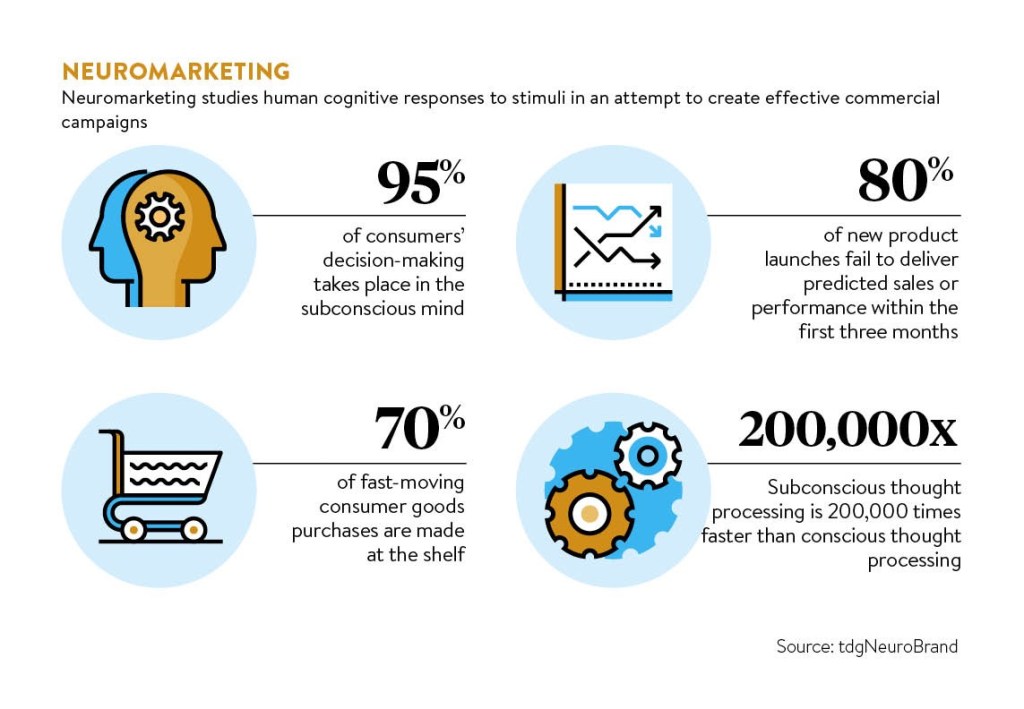
Empathy maps help companies and especially designers understand their avatars (consumers or customers) better than they would by simply guessing. It is a structured way of understanding your consumer base so that you can make actual informed decisions. Many of the benefits have already been listed here, but it’s worth pointing out that this is part of a broader method of fact-based data. There is no guess work in the research phase of user experience design, and if there is any guess work it’s simply because these kinds of tested and proven methods were not used during the process. “From my experience the reason most products fail is that they lack knowledge and perception of their target audience, they lack empathy. Either they are confused on who their audience is (their Avatar) or if they do know who their avatar is, they are not able to connect with them emotionally. That is the reason an Empathy map is so critical when designing or launching new products. You will be able to identify insights about your potential customers that you did not know were there”. (Germán Coppola)
Empathy maps by themselves a borrow from other methods such as user personas, and offer valuable data and information to base our designs off of, but used in conjunction with other empathetic methods of data discovery in the user experience field, paints a picture of where our consumer’s minds are, what they like, and what they wish to see as our products evolve. Without methods like empathy maps, we would be guessing a lot of our design decisions and knowing that these methods exist, it’s the only logical step forward when it comes to researching for UX design before the actual design phase even begins.
Resources
World Leaders in Research-Based User Experience, Sarah Gibbons. “UX Research, Training, and Consulting.” Nielsen Norman Group, www.nngroup.com/articles/empathy-mapping/.
Coppola, Germán. “What Is an Empathy Map, and Why Is It Valuable for Your Business?” Medium, The Startup, 11 Dec. 2017, medium.com/swlh/what-is-an-empathy-map-and-why-is-it-valuable-for-your-business-14236be4fdf4.

 Design By Angel Vazquez